Protein Intake Calculator
Calculate your personalized daily protein needs based on your activity level, fitness goals, and body weight. Get meal-by-meal breakdowns, food sources, and evidence-based recommendations.
Protein Intake Calculator
Evidence-BasedCalculate your personalized daily protein needs based on activity level, goals, and body weight
Muscle Building
Protein provides amino acids essential for muscle protein synthesis. Active individuals need 1.6-2.2g per kg body weight for optimal muscle growth.
Weight Loss
Higher protein intake (1.6-2.0g/kg) preserves muscle during calorie deficit, increases satiety, and has a higher thermic effect than carbs or fats.
Recovery & Health
Protein supports immune function, enzyme production, hormone balance, and tissue repair. Distribute evenly across meals for optimal benefits.
Related Calculators
Nutrition & Protein Guides
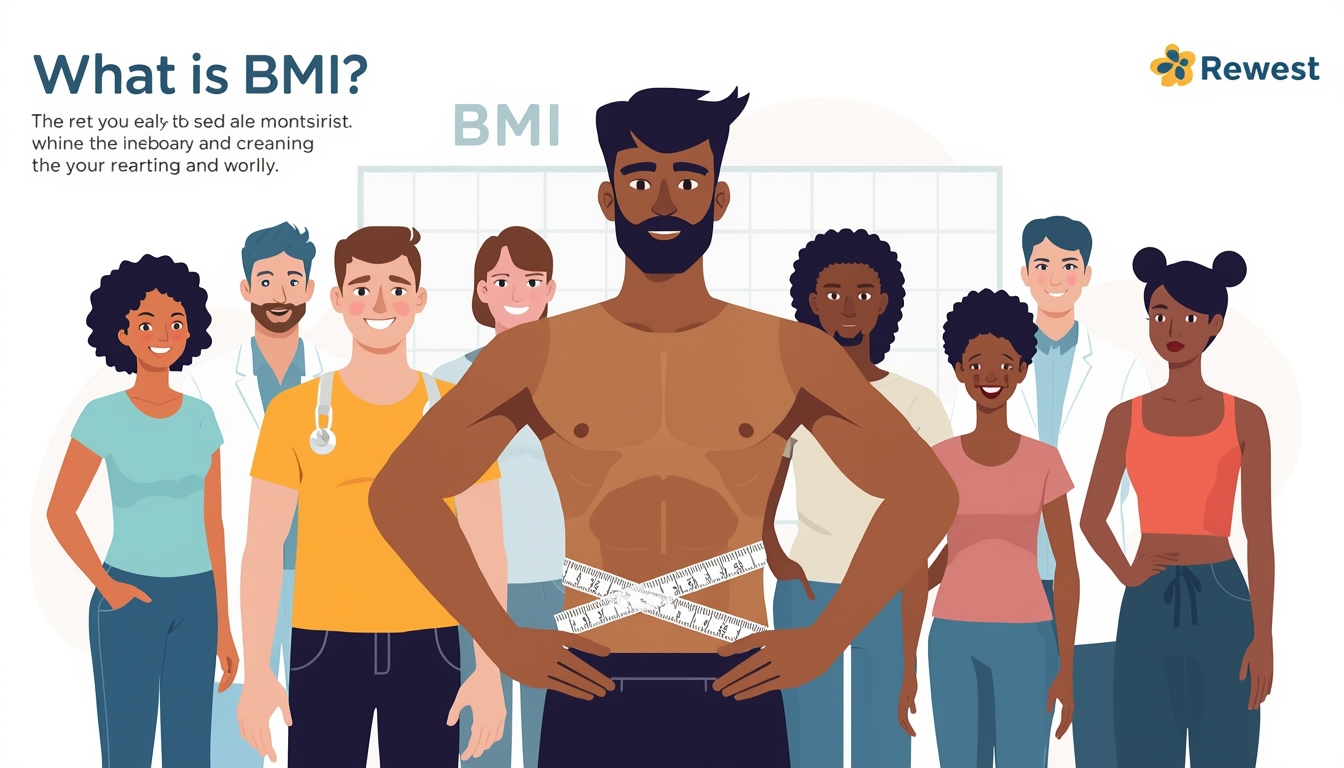
What Is BMI? Simple Guide to Body Mass Index
Learn what BMI means, how to calculate it, and what your BMI number says about your health.
Read article →
How to Lower BMI: 7 Simple Steps That Actually Work
Trying to lower your BMI? Here's what works - no crash diets, no gimmicks. Simple steps, real examples, and tools to track your progress.
Read article →
What Is BMR? Simple Guide to Your Metabolism
Learn what BMR means, why it matters for weight, and how to calculate yours.
Read article →
Ideal Weight for Your Height: Simple Formulas
Find your healthy weight range based on height. Simple formulas and practical tips.
Read article →
BMI vs Body Fat: Which One Actually Matters More?
BMI says one thing. Body fat says another. Here's how to know which number to trust for your health.
Read article →
BMI Calculator Limitations: 10 Factors Not Considered
BMI doesn't tell the full story. Learn what factors your BMI calculator ignores and what measurements are more accurate for health assessment.
Read article →
Why Water Intake Is Important: 7 Reasons Your Body Needs It
Water does more than just quench your thirst. Here's why drinking enough matters for energy, weight loss, skin, and overall health.
Read article →
Superfoods for Heart Health: 10 Foods Cardiologists Actually Eat
Want a healthier heart? Here are 10 superfoods cardiologists swear by. Simple, delicious, and backed by science - plus tools to track your progress.
Read article →
Weight Loss for Women at Home: 7 Things That Actually Work
Trying to lose weight at home? Here's what works for real women - no gym required. Simple steps, honest advice, and tools to track your progress.
Read article →
Healthy Weight for Women in Their 30s: What Actually Works
Wondering what a healthy weight looks like for women in their 30s? Here's what changes after 30 and how to find your ideal weight range.
Read article →
Healthy BMI for Women by Age: What's Normal in Your 20s, 30s, 40s, 50s and Beyond
Wondering what a healthy BMI looks like for women at different ages? Here's exactly how your ideal weight range changes from your 20s through your 70s and beyond.
Read article →
Morning Routine for Weight Loss: 7 Simple Habits That Actually Work
Want to lose weight without crazy diets? Here's exactly what to do in the first hour after waking up to boost metabolism, burn fat, and feel great all day.
Read article →
How to Increase Fertility Naturally: 11 Science-Backed Ways to Boost Your Chances of Getting Pregnant
Wondering how to boost your fertility naturally? From the best foods to eat for ovulation to lifestyle changes that actually work, here's what you need to know.
Read article →
How Much Water Should You Drink During Pregnancy? A Complete Guide for Every Trimester
Wondering how much water you really need while pregnant? From first trimester nausea to third trimester swelling, here's exactly how to stay hydrated for you and baby.
Read article →
Heart Disease Symptoms, Causes, and the New Treatments Changing Everything (Including AI)
Chest pain? Shortness of breath? Here's what your symptoms mean, plus the latest breakthroughs in heart care—from AI that predicts heart attacks to new meds and high-tech sensors.
Read article →
Heart Attacks in Young People: Why It's Happening and What You Can Do About It
Young men and women in their 20s, 30s, and 40s are having heart attacks at alarming rates. Here's why lifestyle, stress, and food choices are to blame—and how to protect yourself.
Read article →
Waist-to-Height Ratio: The Simple Number That Tells You More Than BMI
Forget complicated health metrics. Your waist-to-height ratio takes two seconds to measure and might predict your health risks better than BMI. Here's how to do it.
Read article →
Healthy Sleep Habits: How to Fall Asleep Faster, Stay Asleep Longer, and Wake Up Refreshed
Struggling to fall asleep or wake up tired? Here's exactly how to fix your sleep schedule, create the perfect bedtime routine, and finally get the rest your body needs.
Read article →
How Much Can You REALLY Lift? Here's How to Find Out Without Crashing
Everyone at the gym wonders how much they could bench if they went all out. But going for a true max is risky. Here's the smarter way to find your real strength.
Read article →
You're Eating WAY More Sugar Than You Think: Here's Where It's Hiding
That 'healthy' yogurt has more sugar than a donut. Your morning coffee is basically dessert. Here's how to find the hidden sugar in everyday foods and how much is actually okay.
Read article →
Health Calculators That Could Help in an Emergency: What to Know Before You Need It
When minutes matter, having the right information about your body can make all the difference. Here's how simple health calculators can help in unexpected situations.
Read article →
First Trimester Survival Guide: What No One Tells You About Weeks 1-12
From the exhaustion that hits like a truck to the weird food aversions nobody warned you about. Here's what actually happens in the first trimester and how to survive it.
Read article →
What Is Leucovorin? Why Everyone's Talking About This Drug and Autism
Leucovorin is all over social media right now. Parents are sharing stories, and the FDA just made a major announcement. Here's what you need to know about this medication and its connection to autism.
Read article →
Understanding Autism Spectrum Disorder: Signs, Support, and What Every Parent Should Know
Worried about your child's development? Here's what autism spectrum disorder really means, early signs to watch for, how diagnosis works, and where to find support.
Read article →
How to Reduce Stress: Simple Ways to Calm Your Mind and Protect Your Health
Feeling overwhelmed, anxious, or just burned out? Here's why stress is so hard on your body, how it affects your heart and brain, and what actually works to calm down in real life.
Read article →
What to Eat After Cancer: A Survivor's Guide to Food, Healing, and Moving Forward
Worried about what to eat after a cancer diagnosis? Here's a practical guide to healthy foods, what to avoid, nourishing drinks, and simple habits that help survivors feel stronger every day.
Read article →
How to Increase Testosterone Naturally: Foods, Workouts, and Lifestyle Changes That Actually Work
Low energy? Struggling in the gym? Here's how to boost your testosterone naturally with simple food swaps, effective workouts, and daily habits that make a real difference.
Read article →
Fish Oil Benefits: What It Does for Men, Women, Your Heart, Brain, and Hormones
Wondering if fish oil is worth the hype? Here's what omega-3s actually do for your heart, brain, testosterone, cholesterol, and stress levels—plus how to choose the right one.
Read article →
Foods That Support Healthy Ovulation: What to Eat for Hormone Balance and Regular Cycles
Struggling with irregular ovulation or anovulatory cycles? Here's what to eat to support hormone balance, improve egg quality, and get your cycle back on track naturally.
Read article →
Best Way to Eat Eggs: Boiled, Fried, Omelet, or Raw? How Cooking Method Changes Nutrition
Boiled, half-boiled, omelet, or fried? Here's how different cooking methods affect protein absorption, nutrition, and safety plus who should eat eggs and who should avoid them.
Read article →
Easy Stress Relief at Home: Simple Things That Actually Calm Your Mind
No complicated routines or expensive gadgets. Here are simple ways to relieve stress at home using music, meditation, crafts, and small shifts in how you think.
Read article →
Natural Cough Remedies: What Actually Works for Nighttime Cough, Sore Throat, and Chest Congestion
That tickle in your throat keeping you awake? Here are natural cough remedies that work, from ginger at night to hot water with honey, plus when to reach for a trusted syrup.
Read article →
Antibiotics: What They Treat, How They Work, and Why You Need to Take Them Correctly
Wondering if you need antibiotics for that cough or sore throat? Here's what antibiotics actually treat, how they work, common types, and why finishing the full prescription matters.
Read article →
Diet Plan for Women: Simple Food Guidelines That Work With Your Body, Not Against It
Tired of diets that ignore your hormones, your cycle, and your real life? Here's a sustainable eating plan for women that actually works with your body's natural rhythms.
Read article →
How to Stay Hydrated in Hot Weather: A Guide for Kids, Adults, and Pregnant Women
Summer heat is coming. Here's how much water everyone in your family needs from kids to pregnant women and simple tips to keep everyone hydrated when temperatures rise.
Read article →
El Niño Is Coming: How to Stay Safe, Hydrated, and Healthy in the Months Ahead
El Niño is bringing extreme heat and unpredictable weather. Here's what it means for your health, how much water you need, and simple ways to protect your family.
Read article →What Is BMI? Simple Guide to Body Mass Index
Learn what BMI means, how to calculate it, and what your BMI number says about your health.
Read article →How to Lower BMI: 7 Simple Steps That Actually Work
Trying to lower your BMI? Here's what works - no crash diets, no gimmicks. Simple steps, real examples, and tools to track your progress.
Read article →What Is BMR? Simple Guide to Your Metabolism
Learn what BMR means, why it matters for weight, and how to calculate yours.
Read article →Ideal Weight for Your Height: Simple Formulas
Find your healthy weight range based on height. Simple formulas and practical tips.
Read article →BMI vs Body Fat: Which One Actually Matters More?
BMI says one thing. Body fat says another. Here's how to know which number to trust for your health.
Read article →BMI Calculator Limitations: 10 Factors Not Considered
BMI doesn't tell the full story. Learn what factors your BMI calculator ignores and what measurements are more accurate for health assessment.
Read article →Why Water Intake Is Important: 7 Reasons Your Body Needs It
Water does more than just quench your thirst. Here's why drinking enough matters for energy, weight loss, skin, and overall health.
Read article →Superfoods for Heart Health: 10 Foods Cardiologists Actually Eat
Want a healthier heart? Here are 10 superfoods cardiologists swear by. Simple, delicious, and backed by science - plus tools to track your progress.
Read article →Weight Loss for Women at Home: 7 Things That Actually Work
Trying to lose weight at home? Here's what works for real women - no gym required. Simple steps, honest advice, and tools to track your progress.
Read article →Healthy Weight for Women in Their 30s: What Actually Works
Wondering what a healthy weight looks like for women in their 30s? Here's what changes after 30 and how to find your ideal weight range.
Read article →Healthy BMI for Women by Age: What's Normal in Your 20s, 30s, 40s, 50s and Beyond
Wondering what a healthy BMI looks like for women at different ages? Here's exactly how your ideal weight range changes from your 20s through your 70s and beyond.
Read article →Morning Routine for Weight Loss: 7 Simple Habits That Actually Work
Want to lose weight without crazy diets? Here's exactly what to do in the first hour after waking up to boost metabolism, burn fat, and feel great all day.
Read article →How to Increase Fertility Naturally: 11 Science-Backed Ways to Boost Your Chances of Getting Pregnant
Wondering how to boost your fertility naturally? From the best foods to eat for ovulation to lifestyle changes that actually work, here's what you need to know.
Read article →How Much Water Should You Drink During Pregnancy? A Complete Guide for Every Trimester
Wondering how much water you really need while pregnant? From first trimester nausea to third trimester swelling, here's exactly how to stay hydrated for you and baby.
Read article →Heart Disease Symptoms, Causes, and the New Treatments Changing Everything (Including AI)
Chest pain? Shortness of breath? Here's what your symptoms mean, plus the latest breakthroughs in heart care—from AI that predicts heart attacks to new meds and high-tech sensors.
Read article →Heart Attacks in Young People: Why It's Happening and What You Can Do About It
Young men and women in their 20s, 30s, and 40s are having heart attacks at alarming rates. Here's why lifestyle, stress, and food choices are to blame—and how to protect yourself.
Read article →Waist-to-Height Ratio: The Simple Number That Tells You More Than BMI
Forget complicated health metrics. Your waist-to-height ratio takes two seconds to measure and might predict your health risks better than BMI. Here's how to do it.
Read article →Healthy Sleep Habits: How to Fall Asleep Faster, Stay Asleep Longer, and Wake Up Refreshed
Struggling to fall asleep or wake up tired? Here's exactly how to fix your sleep schedule, create the perfect bedtime routine, and finally get the rest your body needs.
Read article →How Much Can You REALLY Lift? Here's How to Find Out Without Crashing
Everyone at the gym wonders how much they could bench if they went all out. But going for a true max is risky. Here's the smarter way to find your real strength.
Read article →You're Eating WAY More Sugar Than You Think: Here's Where It's Hiding
That 'healthy' yogurt has more sugar than a donut. Your morning coffee is basically dessert. Here's how to find the hidden sugar in everyday foods and how much is actually okay.
Read article →Health Calculators That Could Help in an Emergency: What to Know Before You Need It
When minutes matter, having the right information about your body can make all the difference. Here's how simple health calculators can help in unexpected situations.
Read article →First Trimester Survival Guide: What No One Tells You About Weeks 1-12
From the exhaustion that hits like a truck to the weird food aversions nobody warned you about. Here's what actually happens in the first trimester and how to survive it.
Read article →What Is Leucovorin? Why Everyone's Talking About This Drug and Autism
Leucovorin is all over social media right now. Parents are sharing stories, and the FDA just made a major announcement. Here's what you need to know about this medication and its connection to autism.
Read article →Understanding Autism Spectrum Disorder: Signs, Support, and What Every Parent Should Know
Worried about your child's development? Here's what autism spectrum disorder really means, early signs to watch for, how diagnosis works, and where to find support.
Read article →How to Reduce Stress: Simple Ways to Calm Your Mind and Protect Your Health
Feeling overwhelmed, anxious, or just burned out? Here's why stress is so hard on your body, how it affects your heart and brain, and what actually works to calm down in real life.
Read article →What to Eat After Cancer: A Survivor's Guide to Food, Healing, and Moving Forward
Worried about what to eat after a cancer diagnosis? Here's a practical guide to healthy foods, what to avoid, nourishing drinks, and simple habits that help survivors feel stronger every day.
Read article →How to Increase Testosterone Naturally: Foods, Workouts, and Lifestyle Changes That Actually Work
Low energy? Struggling in the gym? Here's how to boost your testosterone naturally with simple food swaps, effective workouts, and daily habits that make a real difference.
Read article →Fish Oil Benefits: What It Does for Men, Women, Your Heart, Brain, and Hormones
Wondering if fish oil is worth the hype? Here's what omega-3s actually do for your heart, brain, testosterone, cholesterol, and stress levels—plus how to choose the right one.
Read article →Foods That Support Healthy Ovulation: What to Eat for Hormone Balance and Regular Cycles
Struggling with irregular ovulation or anovulatory cycles? Here's what to eat to support hormone balance, improve egg quality, and get your cycle back on track naturally.
Read article →Best Way to Eat Eggs: Boiled, Fried, Omelet, or Raw? How Cooking Method Changes Nutrition
Boiled, half-boiled, omelet, or fried? Here's how different cooking methods affect protein absorption, nutrition, and safety plus who should eat eggs and who should avoid them.
Read article →Easy Stress Relief at Home: Simple Things That Actually Calm Your Mind
No complicated routines or expensive gadgets. Here are simple ways to relieve stress at home using music, meditation, crafts, and small shifts in how you think.
Read article →Natural Cough Remedies: What Actually Works for Nighttime Cough, Sore Throat, and Chest Congestion
That tickle in your throat keeping you awake? Here are natural cough remedies that work, from ginger at night to hot water with honey, plus when to reach for a trusted syrup.
Read article →Antibiotics: What They Treat, How They Work, and Why You Need to Take Them Correctly
Wondering if you need antibiotics for that cough or sore throat? Here's what antibiotics actually treat, how they work, common types, and why finishing the full prescription matters.
Read article →Diet Plan for Women: Simple Food Guidelines That Work With Your Body, Not Against It
Tired of diets that ignore your hormones, your cycle, and your real life? Here's a sustainable eating plan for women that actually works with your body's natural rhythms.
Read article →How to Stay Hydrated in Hot Weather: A Guide for Kids, Adults, and Pregnant Women
Summer heat is coming. Here's how much water everyone in your family needs from kids to pregnant women and simple tips to keep everyone hydrated when temperatures rise.
Read article →El Niño Is Coming: How to Stay Safe, Hydrated, and Healthy in the Months Ahead
El Niño is bringing extreme heat and unpredictable weather. Here's what it means for your health, how much water you need, and simple ways to protect your family.
Read article →Learn More About Protein
Important Medical Disclaimer
This calculator provides estimates for educational purposes based on current sports nutrition guidelines. Individual protein needs may vary based on health conditions, medications, and other factors.
If you have kidney disease, liver conditions, or other medical concerns, consult your healthcare provider before significantly increasing protein intake.
Explore All Health Calculators
From BMI to heart rate, we've got every calculator you need for your health journey.
Heart & Fitness
Complete Guide to Protein Intake: How Much, When, and What Sources Are Best
What is Protein? (And Why It's the MVP of Nutrition)
Protein isn't just for bodybuilders chugging shakes. It's the building block of your entire body - your muscles, skin, hair, nails, enzymes, hormones, and even your immune system. Every single cell in your body contains protein. Simply put, you can't live without it.
Builds & Repairs Muscle
After workouts, protein repairs the tiny tears in your muscle fibers, making them stronger and bigger.
Boosts Metabolism
Protein burns 20-30% of its calories during digestion. That's 2-3x more than carbs or fat.
Keeps You Full
Protein is the most filling nutrient. It kills cravings and helps you eat less without feeling hungry.
The bottom line: Whether you want to lose weight, build muscle, or just stay healthy, getting enough protein makes everything easier.
How Much Protein Do You Really Need?
The old rule of "just eat 50g" is outdated. Your protein needs depend on your weight, activity level, and goals. Here's the real breakdown:
| Your Goal | Grams per kg | Grams per lb | For a 150 lb person |
|---|---|---|---|
| Sedentary (minimal exercise) | 0.8 g/kg | 0.36 g/lb | 54 g |
| Lightly active / general health | 1.0-1.2 g/kg | 0.45-0.55 g/lb | 68-83 g |
| Endurance athlete / regular exerciser | 1.2-1.6 g/kg | 0.55-0.73 g/lb | 83-110 g |
| Strength athlete / bodybuilder | 1.6-2.2 g/kg | 0.73-1.0 g/lb | 110-150 g |
| Weight loss (to preserve muscle) | 1.6-2.4 g/kg | 0.73-1.1 g/lb | 110-165 g |
| Older adults (65+, prevent muscle loss) | 1.2-1.5 g/kg | 0.55-0.68 g/lb | 83-102 g |
| Pregnancy / breastfeeding | 1.1-1.5 g/kg | 0.5-0.68 g/lb | 75-102 g |
Reality check: Most Americans get plenty of protein. But they don't spread it evenly throughout the day. They eat 10g at breakfast, 20g at lunch, and 80g at dinner. Your body can only use about 30-40g per meal for muscle building. Spread it out!
Best Protein Sources: Animal & Plant-Based
Animal-Based Proteins
Skinless, cooked
Cooked
Wild-caught
Canned in water
Whole, large
Plain, non-fat
Low-fat
Cow's milk
Plant-Based Proteins
Fermented soy
Firm
Steamed
Cooked
Cooked
Raw
Shelled
Cooked
Complete Protein Combos for Plant-Based Eaters
Most plant proteins are "incomplete" - they're missing some amino acids. Pair these foods to get complete protein:
Protein by Goal: What to Eat & When
Weight Loss
Aim for: 1.6-2.4 g/kg (0.73-1.1 g/lb)
Higher protein preserves muscle while in a calorie deficit. Without enough protein, 25-50% of weight lost could be muscle.
Muscle Gain
Aim for: 1.6-2.2 g/kg (0.73-1.0 g/lb)
This is the "sweet spot" for muscle building. More than this doesn't help - your body can only use so much.
General Health
Aim for: 1.0-1.5 g/kg (0.45-0.68 g/lb)
Enough for basic health, immune function, and maintaining muscle.
Older Adults (65+)
Aim for: 1.2-1.5 g/kg (0.55-0.68 g/lb)
Prevents sarcopenia (age-related muscle loss). Crucial for mobility and independence.
When to Eat Protein: Timing Matters
Total daily intake matters most, but spreading it out optimizes muscle building and keeps you full all day.
Kickstarts muscle protein synthesis after overnight fast
Keeps you full and focused through afternoon
Within 2 hours after exercise for optimal repair
Slow-digesting proteins (cottage cheese) before bed help overnight recovery
The 30g rule: Research shows that 20-40g per meal maximally stimulates muscle protein synthesis in most people. More than that in one sitting doesn't give extra benefits.
Sample Meal Plans by Protein Target
60-80g (Sedentary)
- •Breakfast: 2 eggs (12g) + toast
- •Lunch: Chicken salad sandwich (25g)
- •Dinner: 4 oz fish + veg (20g)
- •Snack: Greek yogurt (10g)
100-120g (Active)
- •Breakfast: 3 eggs (18g) + Greek yogurt (15g)
- •Lunch: 5 oz chicken breast (35g)
- •Dinner: 5 oz salmon (30g) + quinoa
- •Snack: Protein shake (25g)
140-160g (Athlete)
- •Breakfast: 4 eggs (24g) + cottage cheese (14g)
- •Lunch: 8 oz chicken breast (50g)
- •Dinner: 6 oz steak (40g) + lentils
- •Snacks: 2 protein shakes (40g)
Protein Myths vs. Facts
Myth: Too much protein damages your kidneys
Only true if you already have kidney disease. In healthy people, no evidence that high protein harms kidneys.
Fact: Your body can only absorb 30-40g per meal
For muscle building, yes. But extra protein isn't wasted - it's used for energy or other functions.
Myth: You need protein immediately after workout
The "anabolic window" is actually 2-4 hours. As long as you eat within a few hours, you're fine.
Fact: Plant proteins work, you just need more variety
Combine different plant sources throughout the day to get all essential amino acids.
Myth: More protein = more muscle
Muscle growth requires progressive overload training AND enough calories. Protein alone won't build muscle.
Fact: Protein helps with weight loss
Higher protein diets increase satiety, boost metabolism, and preserve muscle during calorie deficit.
Frequently Asked Questions About Protein
Q:How much protein should I eat to build muscle?
A:Aim for 1.6-2.2g per kg of body weight (0.73-1.0g per lb). For a 180 lb person, that's 130-180g daily. Spread it across 3-4 meals of 30-50g each. Combine with progressive overload training and enough total calories for best results.
Q:Can you eat too much protein?
A:For healthy people, very high protein (3g/kg+) is probably safe but unnecessary. It might cause digestive discomfort or replace other important nutrients. Stick to 1.6-2.2g/kg for muscle building, 1.2-1.6g/kg for general health. If you have kidney disease, consult your doctor.
Q:Is plant protein as good as animal protein?
A:Yes, with planning. Plant proteins are slightly less digestible and may be lower in certain amino acids. But eating a variety throughout the day (beans + rice, hummus + pita) gives you everything you need. You may need 10-20% more total protein if fully plant-based.
Q:Should I take protein shakes or get it from food?
A:Food first, always. Whole foods provide additional nutrients. But protein shakes are convenient, especially post-workout or when you're busy. Aim to get 80% from whole foods, 20% from supplements if needed. Our protein calculator helps you plan both.
Q:How much protein per meal?
A:Research suggests 20-40g per meal maximizes muscle protein synthesis for most people. That's about 3-6 oz of chicken, 4-5 eggs, or 1-2 scoops of protein powder. Spread your daily total across 3-4 meals for best results.
Q:Do I need protein before bed?
A:Optional but beneficial. Slow-digesting protein like cottage cheese or casein before bed provides amino acids during sleep, potentially improving overnight recovery and muscle building. If you train hard, it's worth considering.
Q:How much protein for weight loss?
A:Higher protein (1.6-2.4g/kg) helps preserve muscle while losing fat. It also keeps you fuller, reducing cravings. For a 200 lb person, that's 145-220g daily. Use our weight loss calculator for personalized numbers.
Q:Do older adults need more protein?
A:Yes! After 65, the body becomes less efficient at using protein. Seniors should aim for 1.2-1.5g/kg, slightly higher than younger adults. This helps prevent sarcopenia (muscle loss) and maintains strength and mobility. Spread protein across meals, with at least 25-30g per meal.
Tools to Hit Your Protein Goals
Get Your Exact Protein Target
Stop guessing. Get personalized protein recommendations based on your weight, activity level, and goals. Free, instant, and backed by science.
Based on ISSN and ACSM guidelines • Trusted by 200,000+ users • No registration