Biological Age Calculator
Discover how old your body really is based on lifestyle factors. See if you're younger or older than your chronological age and get personalized recommendations.
Biological Age Calculator
Health Age AssessmentDiscover how old your body really is based on lifestyle factors. See if you're younger or older than your chronological age.
Basic Information
Health Metrics
Measure first thing in the morning
Optional Factors (for more accuracy)
Age Comparison
See if your body is younger or older than your chronological age based on lifestyle factors.
Health Score
Get a 0-100 health score with color-coded categories from Excellent to Critical.
Personalized Insights
Get tailored recommendations to improve your biological age and health score.
Related Health Calculators
Longevity & Wellness Articles
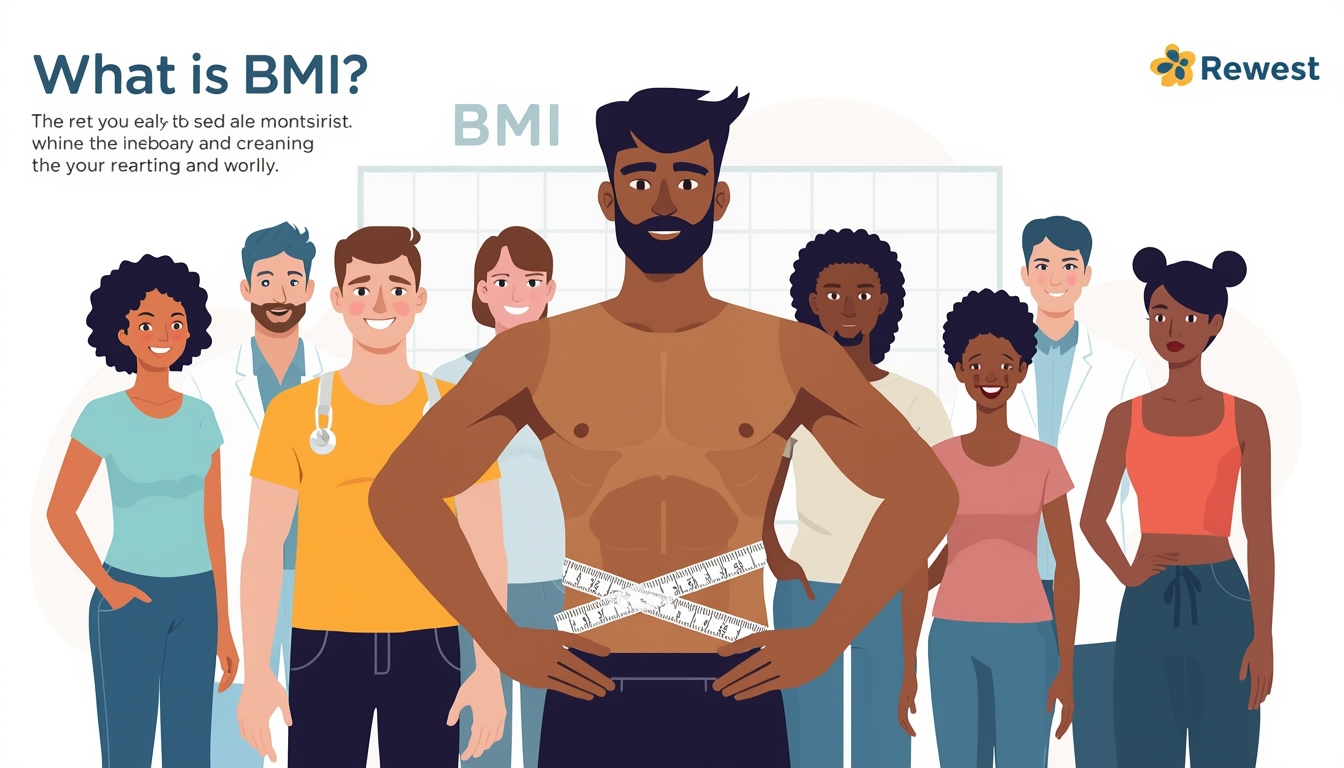
What Is BMI? Simple Guide to Body Mass Index
Learn what BMI means, how to calculate it, and what your BMI number says about your health.
Read article →
How to Lower BMI: 7 Simple Steps That Actually Work
Trying to lower your BMI? Here's what works - no crash diets, no gimmicks. Simple steps, real examples, and tools to track your progress.
Read article →
What Is BMR? Simple Guide to Your Metabolism
Learn what BMR means, why it matters for weight, and how to calculate yours.
Read article →
Ideal Weight for Your Height: Simple Formulas
Find your healthy weight range based on height. Simple formulas and practical tips.
Read article →
BMI vs Body Fat: Which One Actually Matters More?
BMI says one thing. Body fat says another. Here's how to know which number to trust for your health.
Read article →
BMI Calculator Limitations: 10 Factors Not Considered
BMI doesn't tell the full story. Learn what factors your BMI calculator ignores and what measurements are more accurate for health assessment.
Read article →
Why Water Intake Is Important: 7 Reasons Your Body Needs It
Water does more than just quench your thirst. Here's why drinking enough matters for energy, weight loss, skin, and overall health.
Read article →
Superfoods for Heart Health: 10 Foods Cardiologists Actually Eat
Want a healthier heart? Here are 10 superfoods cardiologists swear by. Simple, delicious, and backed by science - plus tools to track your progress.
Read article →
Weight Loss for Women at Home: 7 Things That Actually Work
Trying to lose weight at home? Here's what works for real women - no gym required. Simple steps, honest advice, and tools to track your progress.
Read article →
Healthy Weight for Women in Their 30s: What Actually Works
Wondering what a healthy weight looks like for women in their 30s? Here's what changes after 30 and how to find your ideal weight range.
Read article →
Healthy BMI for Women by Age: What's Normal in Your 20s, 30s, 40s, 50s and Beyond
Wondering what a healthy BMI looks like for women at different ages? Here's exactly how your ideal weight range changes from your 20s through your 70s and beyond.
Read article →
Morning Routine for Weight Loss: 7 Simple Habits That Actually Work
Want to lose weight without crazy diets? Here's exactly what to do in the first hour after waking up to boost metabolism, burn fat, and feel great all day.
Read article →
How to Increase Fertility Naturally: 11 Science-Backed Ways to Boost Your Chances of Getting Pregnant
Wondering how to boost your fertility naturally? From the best foods to eat for ovulation to lifestyle changes that actually work, here's what you need to know.
Read article →
How Much Water Should You Drink During Pregnancy? A Complete Guide for Every Trimester
Wondering how much water you really need while pregnant? From first trimester nausea to third trimester swelling, here's exactly how to stay hydrated for you and baby.
Read article →
Heart Disease Symptoms, Causes, and the New Treatments Changing Everything (Including AI)
Chest pain? Shortness of breath? Here's what your symptoms mean, plus the latest breakthroughs in heart care—from AI that predicts heart attacks to new meds and high-tech sensors.
Read article →
Heart Attacks in Young People: Why It's Happening and What You Can Do About It
Young men and women in their 20s, 30s, and 40s are having heart attacks at alarming rates. Here's why lifestyle, stress, and food choices are to blame—and how to protect yourself.
Read article →
Waist-to-Height Ratio: The Simple Number That Tells You More Than BMI
Forget complicated health metrics. Your waist-to-height ratio takes two seconds to measure and might predict your health risks better than BMI. Here's how to do it.
Read article →
Healthy Sleep Habits: How to Fall Asleep Faster, Stay Asleep Longer, and Wake Up Refreshed
Struggling to fall asleep or wake up tired? Here's exactly how to fix your sleep schedule, create the perfect bedtime routine, and finally get the rest your body needs.
Read article →
How Much Can You REALLY Lift? Here's How to Find Out Without Crashing
Everyone at the gym wonders how much they could bench if they went all out. But going for a true max is risky. Here's the smarter way to find your real strength.
Read article →
You're Eating WAY More Sugar Than You Think: Here's Where It's Hiding
That 'healthy' yogurt has more sugar than a donut. Your morning coffee is basically dessert. Here's how to find the hidden sugar in everyday foods and how much is actually okay.
Read article →
Health Calculators That Could Help in an Emergency: What to Know Before You Need It
When minutes matter, having the right information about your body can make all the difference. Here's how simple health calculators can help in unexpected situations.
Read article →
First Trimester Survival Guide: What No One Tells You About Weeks 1-12
From the exhaustion that hits like a truck to the weird food aversions nobody warned you about. Here's what actually happens in the first trimester and how to survive it.
Read article →
What Is Leucovorin? Why Everyone's Talking About This Drug and Autism
Leucovorin is all over social media right now. Parents are sharing stories, and the FDA just made a major announcement. Here's what you need to know about this medication and its connection to autism.
Read article →
Understanding Autism Spectrum Disorder: Signs, Support, and What Every Parent Should Know
Worried about your child's development? Here's what autism spectrum disorder really means, early signs to watch for, how diagnosis works, and where to find support.
Read article →
How to Reduce Stress: Simple Ways to Calm Your Mind and Protect Your Health
Feeling overwhelmed, anxious, or just burned out? Here's why stress is so hard on your body, how it affects your heart and brain, and what actually works to calm down in real life.
Read article →
What to Eat After Cancer: A Survivor's Guide to Food, Healing, and Moving Forward
Worried about what to eat after a cancer diagnosis? Here's a practical guide to healthy foods, what to avoid, nourishing drinks, and simple habits that help survivors feel stronger every day.
Read article →
How to Increase Testosterone Naturally: Foods, Workouts, and Lifestyle Changes That Actually Work
Low energy? Struggling in the gym? Here's how to boost your testosterone naturally with simple food swaps, effective workouts, and daily habits that make a real difference.
Read article →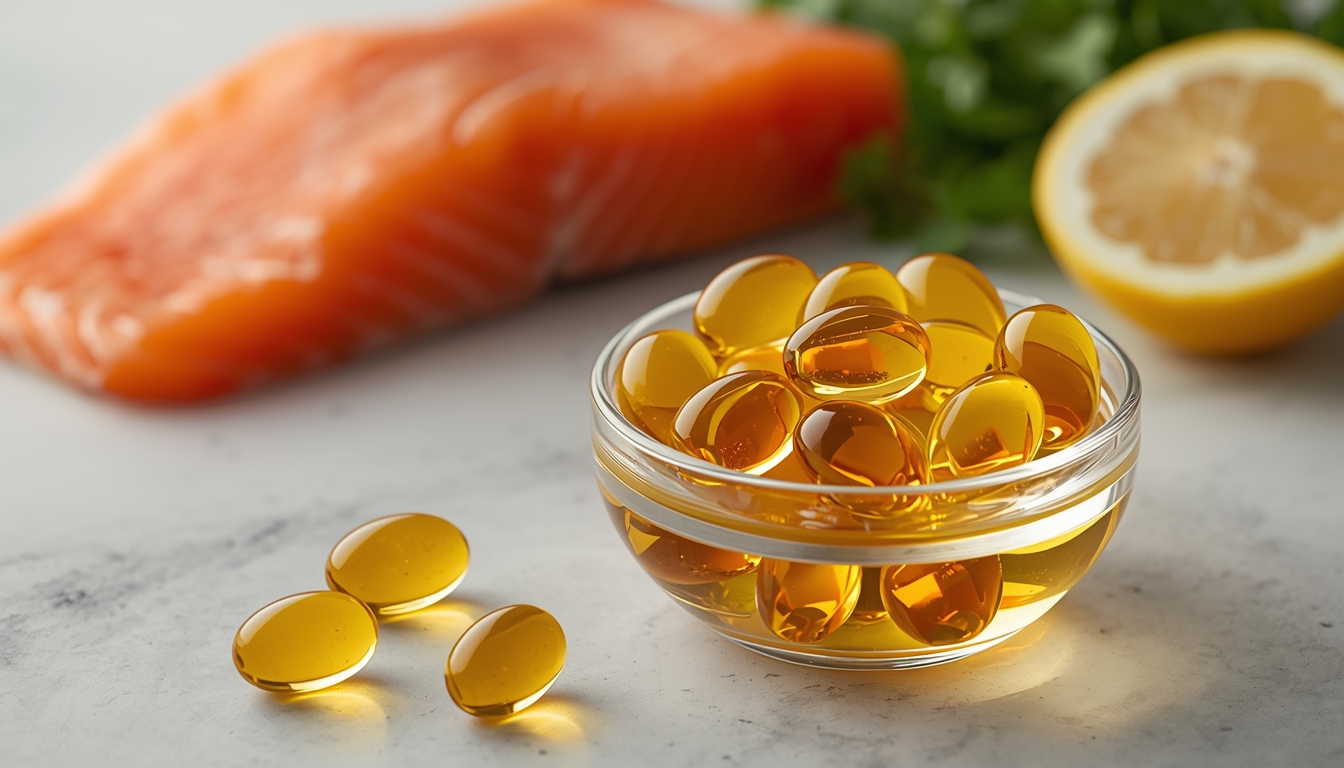
Fish Oil Benefits: What It Does for Men, Women, Your Heart, Brain, and Hormones
Wondering if fish oil is worth the hype? Here's what omega-3s actually do for your heart, brain, testosterone, cholesterol, and stress levels—plus how to choose the right one.
Read article →
Foods That Support Healthy Ovulation: What to Eat for Hormone Balance and Regular Cycles
Struggling with irregular ovulation or anovulatory cycles? Here's what to eat to support hormone balance, improve egg quality, and get your cycle back on track naturally.
Read article →
Best Way to Eat Eggs: Boiled, Fried, Omelet, or Raw? How Cooking Method Changes Nutrition
Boiled, half-boiled, omelet, or fried? Here's how different cooking methods affect protein absorption, nutrition, and safety plus who should eat eggs and who should avoid them.
Read article →
Easy Stress Relief at Home: Simple Things That Actually Calm Your Mind
No complicated routines or expensive gadgets. Here are simple ways to relieve stress at home using music, meditation, crafts, and small shifts in how you think.
Read article →
Natural Cough Remedies: What Actually Works for Nighttime Cough, Sore Throat, and Chest Congestion
That tickle in your throat keeping you awake? Here are natural cough remedies that work, from ginger at night to hot water with honey, plus when to reach for a trusted syrup.
Read article →
Antibiotics: What They Treat, How They Work, and Why You Need to Take Them Correctly
Wondering if you need antibiotics for that cough or sore throat? Here's what antibiotics actually treat, how they work, common types, and why finishing the full prescription matters.
Read article →
Diet Plan for Women: Simple Food Guidelines That Work With Your Body, Not Against It
Tired of diets that ignore your hormones, your cycle, and your real life? Here's a sustainable eating plan for women that actually works with your body's natural rhythms.
Read article →
How to Stay Hydrated in Hot Weather: A Guide for Kids, Adults, and Pregnant Women
Summer heat is coming. Here's how much water everyone in your family needs from kids to pregnant women and simple tips to keep everyone hydrated when temperatures rise.
Read article →
El Niño Is Coming: How to Stay Safe, Hydrated, and Healthy in the Months Ahead
El Niño is bringing extreme heat and unpredictable weather. Here's what it means for your health, how much water you need, and simple ways to protect your family.
Read article →What Is BMI? Simple Guide to Body Mass Index
Learn what BMI means, how to calculate it, and what your BMI number says about your health.
Read article →How to Lower BMI: 7 Simple Steps That Actually Work
Trying to lower your BMI? Here's what works - no crash diets, no gimmicks. Simple steps, real examples, and tools to track your progress.
Read article →What Is BMR? Simple Guide to Your Metabolism
Learn what BMR means, why it matters for weight, and how to calculate yours.
Read article →Ideal Weight for Your Height: Simple Formulas
Find your healthy weight range based on height. Simple formulas and practical tips.
Read article →BMI vs Body Fat: Which One Actually Matters More?
BMI says one thing. Body fat says another. Here's how to know which number to trust for your health.
Read article →BMI Calculator Limitations: 10 Factors Not Considered
BMI doesn't tell the full story. Learn what factors your BMI calculator ignores and what measurements are more accurate for health assessment.
Read article →Why Water Intake Is Important: 7 Reasons Your Body Needs It
Water does more than just quench your thirst. Here's why drinking enough matters for energy, weight loss, skin, and overall health.
Read article →Superfoods for Heart Health: 10 Foods Cardiologists Actually Eat
Want a healthier heart? Here are 10 superfoods cardiologists swear by. Simple, delicious, and backed by science - plus tools to track your progress.
Read article →Weight Loss for Women at Home: 7 Things That Actually Work
Trying to lose weight at home? Here's what works for real women - no gym required. Simple steps, honest advice, and tools to track your progress.
Read article →Healthy Weight for Women in Their 30s: What Actually Works
Wondering what a healthy weight looks like for women in their 30s? Here's what changes after 30 and how to find your ideal weight range.
Read article →Healthy BMI for Women by Age: What's Normal in Your 20s, 30s, 40s, 50s and Beyond
Wondering what a healthy BMI looks like for women at different ages? Here's exactly how your ideal weight range changes from your 20s through your 70s and beyond.
Read article →Morning Routine for Weight Loss: 7 Simple Habits That Actually Work
Want to lose weight without crazy diets? Here's exactly what to do in the first hour after waking up to boost metabolism, burn fat, and feel great all day.
Read article →How to Increase Fertility Naturally: 11 Science-Backed Ways to Boost Your Chances of Getting Pregnant
Wondering how to boost your fertility naturally? From the best foods to eat for ovulation to lifestyle changes that actually work, here's what you need to know.
Read article →How Much Water Should You Drink During Pregnancy? A Complete Guide for Every Trimester
Wondering how much water you really need while pregnant? From first trimester nausea to third trimester swelling, here's exactly how to stay hydrated for you and baby.
Read article →Heart Disease Symptoms, Causes, and the New Treatments Changing Everything (Including AI)
Chest pain? Shortness of breath? Here's what your symptoms mean, plus the latest breakthroughs in heart care—from AI that predicts heart attacks to new meds and high-tech sensors.
Read article →Heart Attacks in Young People: Why It's Happening and What You Can Do About It
Young men and women in their 20s, 30s, and 40s are having heart attacks at alarming rates. Here's why lifestyle, stress, and food choices are to blame—and how to protect yourself.
Read article →Waist-to-Height Ratio: The Simple Number That Tells You More Than BMI
Forget complicated health metrics. Your waist-to-height ratio takes two seconds to measure and might predict your health risks better than BMI. Here's how to do it.
Read article →Healthy Sleep Habits: How to Fall Asleep Faster, Stay Asleep Longer, and Wake Up Refreshed
Struggling to fall asleep or wake up tired? Here's exactly how to fix your sleep schedule, create the perfect bedtime routine, and finally get the rest your body needs.
Read article →How Much Can You REALLY Lift? Here's How to Find Out Without Crashing
Everyone at the gym wonders how much they could bench if they went all out. But going for a true max is risky. Here's the smarter way to find your real strength.
Read article →You're Eating WAY More Sugar Than You Think: Here's Where It's Hiding
That 'healthy' yogurt has more sugar than a donut. Your morning coffee is basically dessert. Here's how to find the hidden sugar in everyday foods and how much is actually okay.
Read article →Health Calculators That Could Help in an Emergency: What to Know Before You Need It
When minutes matter, having the right information about your body can make all the difference. Here's how simple health calculators can help in unexpected situations.
Read article →First Trimester Survival Guide: What No One Tells You About Weeks 1-12
From the exhaustion that hits like a truck to the weird food aversions nobody warned you about. Here's what actually happens in the first trimester and how to survive it.
Read article →What Is Leucovorin? Why Everyone's Talking About This Drug and Autism
Leucovorin is all over social media right now. Parents are sharing stories, and the FDA just made a major announcement. Here's what you need to know about this medication and its connection to autism.
Read article →Understanding Autism Spectrum Disorder: Signs, Support, and What Every Parent Should Know
Worried about your child's development? Here's what autism spectrum disorder really means, early signs to watch for, how diagnosis works, and where to find support.
Read article →How to Reduce Stress: Simple Ways to Calm Your Mind and Protect Your Health
Feeling overwhelmed, anxious, or just burned out? Here's why stress is so hard on your body, how it affects your heart and brain, and what actually works to calm down in real life.
Read article →What to Eat After Cancer: A Survivor's Guide to Food, Healing, and Moving Forward
Worried about what to eat after a cancer diagnosis? Here's a practical guide to healthy foods, what to avoid, nourishing drinks, and simple habits that help survivors feel stronger every day.
Read article →How to Increase Testosterone Naturally: Foods, Workouts, and Lifestyle Changes That Actually Work
Low energy? Struggling in the gym? Here's how to boost your testosterone naturally with simple food swaps, effective workouts, and daily habits that make a real difference.
Read article →Fish Oil Benefits: What It Does for Men, Women, Your Heart, Brain, and Hormones
Wondering if fish oil is worth the hype? Here's what omega-3s actually do for your heart, brain, testosterone, cholesterol, and stress levels—plus how to choose the right one.
Read article →Foods That Support Healthy Ovulation: What to Eat for Hormone Balance and Regular Cycles
Struggling with irregular ovulation or anovulatory cycles? Here's what to eat to support hormone balance, improve egg quality, and get your cycle back on track naturally.
Read article →Best Way to Eat Eggs: Boiled, Fried, Omelet, or Raw? How Cooking Method Changes Nutrition
Boiled, half-boiled, omelet, or fried? Here's how different cooking methods affect protein absorption, nutrition, and safety plus who should eat eggs and who should avoid them.
Read article →Easy Stress Relief at Home: Simple Things That Actually Calm Your Mind
No complicated routines or expensive gadgets. Here are simple ways to relieve stress at home using music, meditation, crafts, and small shifts in how you think.
Read article →Natural Cough Remedies: What Actually Works for Nighttime Cough, Sore Throat, and Chest Congestion
That tickle in your throat keeping you awake? Here are natural cough remedies that work, from ginger at night to hot water with honey, plus when to reach for a trusted syrup.
Read article →Antibiotics: What They Treat, How They Work, and Why You Need to Take Them Correctly
Wondering if you need antibiotics for that cough or sore throat? Here's what antibiotics actually treat, how they work, common types, and why finishing the full prescription matters.
Read article →Diet Plan for Women: Simple Food Guidelines That Work With Your Body, Not Against It
Tired of diets that ignore your hormones, your cycle, and your real life? Here's a sustainable eating plan for women that actually works with your body's natural rhythms.
Read article →How to Stay Hydrated in Hot Weather: A Guide for Kids, Adults, and Pregnant Women
Summer heat is coming. Here's how much water everyone in your family needs from kids to pregnant women and simple tips to keep everyone hydrated when temperatures rise.
Read article →El Niño Is Coming: How to Stay Safe, Hydrated, and Healthy in the Months Ahead
El Niño is bringing extreme heat and unpredictable weather. Here's what it means for your health, how much water you need, and simple ways to protect your family.
Read article →Learn More About Healthy Aging
How Biological Age Works
Biological age estimates how old your body seems based on lifestyle factors like BMI, heart rate, sleep, exercise, and smoking. This is an educational tool – for a comprehensive health assessment, consult a healthcare provider.
Complete Guide to Biological Age: How Old Is Your Body Really?
Jump to Section:
What Is Biological Age?
Your Body's True Age
Biological age is how old your body seems based on various health markers and lifestyle factors.
Biological age is different from your chronological age (the number of years you've been alive). It's an estimate of how well your body is functioning relative to your actual age. Two people who are both 40 years old can have vastly different biological ages based on their lifestyle, genetics, and health habits.
Why It Matters
- Predicts longevity – better than chronological age
- Motivates change – seeing results keeps you going
- Tracks progress – measure lifestyle improvements
- Identifies risks – catch health issues early
Key Insight
Your biological age can be up to 20 years younger or older than your chronological age. The good news? Unlike your birthday, you can change your biological age through healthy habits.
Key Factors That Influence Biological Age
Body Mass Index (BMI)
Healthy BMI (18.5-24.9) reduces biological age. Overweight adds 2-4 years, obesity adds 4-6 years.
Resting Heart Rate
Lower is better. Below 60 bpm can subtract years, above 80 bpm adds years to your biological age.
Sleep Quality
7-9 hours nightly is optimal. Poor sleep adds 1-3 years to your biological age.
Exercise
150+ minutes weekly can subtract 2-3 years. Sedentary lifestyle adds 3+ years.
Smoking
Smoking adds 8+ years to biological age. Quitting can reverse much of the damage.
Stress
Chronic stress increases cortisol, accelerating aging by 1-3 years.
Hydration
Proper hydration supports cellular function. Dehydration can add years.
Overall Fitness
Cardiovascular fitness is one of the strongest predictors of biological age.
Chronological Age vs Biological Age
Chronological Age
The number of years you've been alive. It's fixed and unchangeable.
- •Based on calendar date
- •Same for everyone born the same year
- •Cannot be changed
- •Limited predictor of health
Biological Age
How old your body seems based on biomarkers and lifestyle.
- •Based on health markers
- •Varies between individuals
- •Can be improved
- •Better predictor of longevity
Understanding Your Health Score
Excellent (80-100)
You're in peak condition! Your biological age is likely lower than your chronological age.
Good (60-79)
You're on the right track. Small improvements can make a big difference.
Fair (40-59)
Room for improvement. Focus on key areas like exercise and sleep.
Poor (20-39)
Lifestyle changes needed. Your biological age is likely higher than your chronological age.
Critical (0-19)
Immediate attention required. Consult with a healthcare provider.
How to Lower Your Biological Age
🏃 Exercise Regularly
Aim for 150 minutes of moderate cardio weekly + 2 strength sessions. Can reduce biological age by 3-5 years.
😴 Prioritize Sleep
7-9 hours nightly. Consistent sleep schedule matters as much as duration.
🥗 Healthy Diet
Focus on whole foods, plenty of fiber, and anti-inflammatory nutrients.
🚭 Quit Smoking
Smoking adds 8+ years. Quitting can reverse much of the damage within years.
🧘 Manage Stress
Meditation, deep breathing, and social connection lower cortisol.
💧 Stay Hydrated
8+ glasses daily. Proper hydration supports every cell in your body.
The Science Behind Biological Age
Epigenetics and Telomeres – Biological age is closely linked to epigenetic changes and telomere length. Telomeres are protective caps on your chromosomes that shorten with age. Lifestyle factors can accelerate or slow this process.
Inflammation and Aging – Chronic inflammation ("inflammaging") accelerates biological aging. Exercise, diet, and stress management reduce inflammation.
What Research Shows – Studies show that lifestyle interventions can reverse biological age by 3-5 years in just 8 weeks. The combination of diet, exercise, sleep, and stress management is most effective.
Frequently Asked Questions
Can I really lower my biological age?
Yes! Unlike your chronological age, your biological age is malleable. Studies show that lifestyle changes can reduce biological age by 3-5 years in just a few months. The key is consistency across multiple factors: exercise, sleep, nutrition, and stress management.
How accurate is this calculator?
This calculator uses evidence-based formulas from longevity research. While not a medical diagnostic tool, it provides a good estimate based on key lifestyle factors. For a precise measurement, epigenetic testing is available from companies like TruDiagnostic or Elysium.
What's the most important factor?
Smoking is the single biggest factor – it can add 8+ years. After that, regular exercise and quality sleep are most impactful. The combination of factors matters more than any single one.
How often should I check my biological age?
Every 3-6 months is ideal to track progress. This gives enough time for lifestyle changes to take effect. Use our calculator above to track your journey.
Can genetics override lifestyle?
Genetics play a role, but lifestyle is often more powerful. Studies of twins show that lifestyle can account for up to 70% of the difference in biological age. You can't change your genes, but you can change how they express themselves through healthy habits.
Discover Your True Age
How old is your body really? Use our biological age calculator above to find out. Get your personalized health score and age comparison in seconds.
Free • No registration • Instant results • Based on longevity research
Medical Disclaimer: This calculator is for educational purposes. It is not a medical diagnostic tool. Always consult with a healthcare provider for health concerns.