Free Health & Fitness Calculators - BMI, BMR, Body Fat & More
Use our accurate health calculators to check BMI, body fat, BMR, ideal weight, heart rate, and get personalized health insights instantly.
Quick Access
Advanced BMI Calculator
More AccurateAge, gender & pregnancy factors for personalized results beyond standard BMI.
BMI Calculator
BMI reference ranges
What is BMI?
BMI (Body Mass Index) is a simple calculation using your height and weight. The formula is BMI = weight(kg) / height(m)². Use our calculator above to check your BMI instantly.
More Health Calculators
Advanced BMI
BMI with age, gender & pregnancy factors
BMR Calculator
Calculate your Basal Metabolic Rate
Ideal Weight Calculator
Find your healthy weight range
TDEE Calculator
Total Daily Energy Expenditure
Body Fat Calculator
Navy method body fat percentage
Explore More Calculators
Discover 15+ health calculators
Latest Health Articles
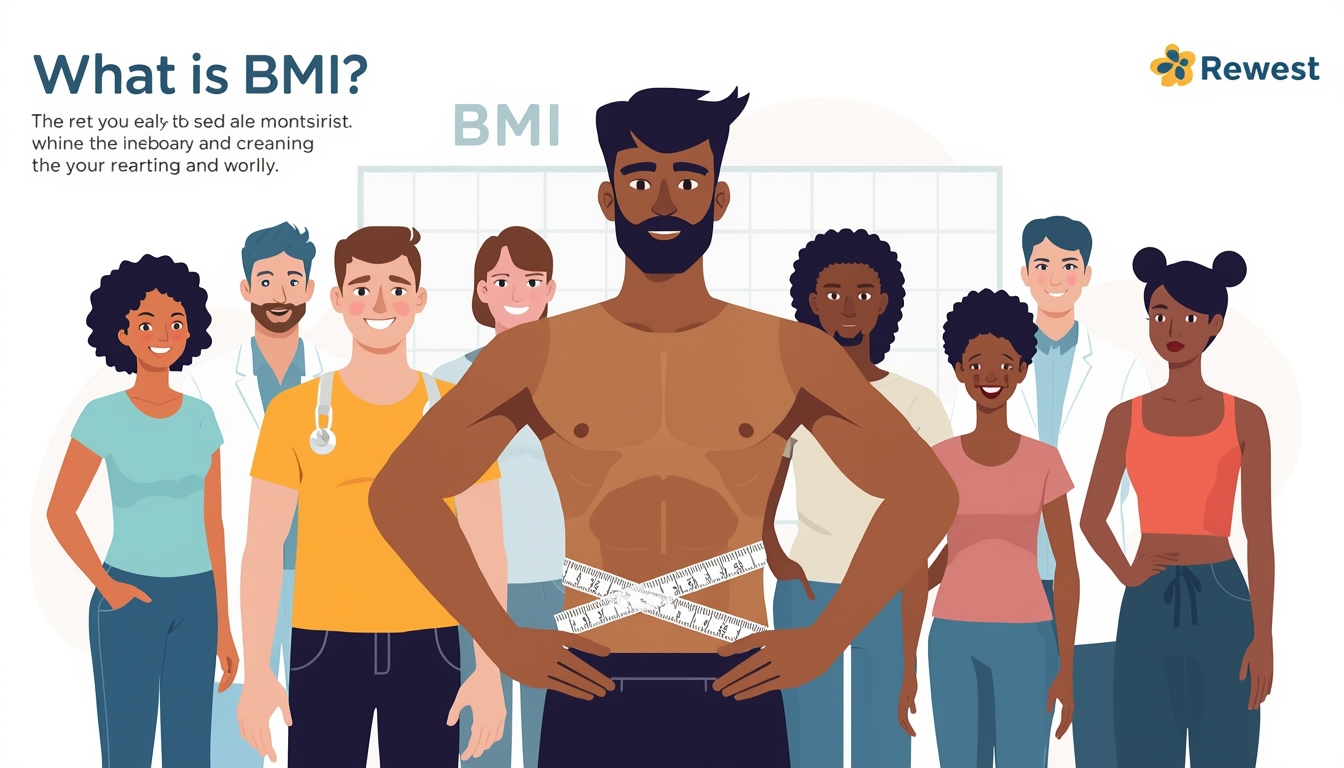
What Is BMI? Simple Guide to Body Mass Index
Learn what BMI means, how to calculate it, and what your BMI number says about your health.
Read article →
How to Lower BMI: 7 Simple Steps That Actually Work
Trying to lower your BMI? Here's what works - no crash diets, no gimmicks. Simple steps, real examples, and tools to track your progress.
Read article →
What Is BMR? Simple Guide to Your Metabolism
Learn what BMR means, why it matters for weight, and how to calculate yours.
Read article →
Ideal Weight for Your Height: Simple Formulas
Find your healthy weight range based on height. Simple formulas and practical tips.
Read article →
BMI vs Body Fat: Which One Actually Matters More?
BMI says one thing. Body fat says another. Here's how to know which number to trust for your health.
Read article →
BMI Calculator Limitations: 10 Factors Not Considered
BMI doesn't tell the full story. Learn what factors your BMI calculator ignores and what measurements are more accurate for health assessment.
Read article →
Why Water Intake Is Important: 7 Reasons Your Body Needs It
Water does more than just quench your thirst. Here's why drinking enough matters for energy, weight loss, skin, and overall health.
Read article →
Superfoods for Heart Health: 10 Foods Cardiologists Actually Eat
Want a healthier heart? Here are 10 superfoods cardiologists swear by. Simple, delicious, and backed by science - plus tools to track your progress.
Read article →
Weight Loss for Women at Home: 7 Things That Actually Work
Trying to lose weight at home? Here's what works for real women - no gym required. Simple steps, honest advice, and tools to track your progress.
Read article →
Healthy Weight for Women in Their 30s: What Actually Works
Wondering what a healthy weight looks like for women in their 30s? Here's what changes after 30 and how to find your ideal weight range.
Read article →
Healthy BMI for Women by Age: What's Normal in Your 20s, 30s, 40s, 50s and Beyond
Wondering what a healthy BMI looks like for women at different ages? Here's exactly how your ideal weight range changes from your 20s through your 70s and beyond.
Read article →
Morning Routine for Weight Loss: 7 Simple Habits That Actually Work
Want to lose weight without crazy diets? Here's exactly what to do in the first hour after waking up to boost metabolism, burn fat, and feel great all day.
Read article →
How to Increase Fertility Naturally: 11 Science-Backed Ways to Boost Your Chances of Getting Pregnant
Wondering how to boost your fertility naturally? From the best foods to eat for ovulation to lifestyle changes that actually work, here's what you need to know.
Read article →
How Much Water Should You Drink During Pregnancy? A Complete Guide for Every Trimester
Wondering how much water you really need while pregnant? From first trimester nausea to third trimester swelling, here's exactly how to stay hydrated for you and baby.
Read article →
Heart Disease Symptoms, Causes, and the New Treatments Changing Everything (Including AI)
Chest pain? Shortness of breath? Here's what your symptoms mean, plus the latest breakthroughs in heart care—from AI that predicts heart attacks to new meds and high-tech sensors.
Read article →
Heart Attacks in Young People: Why It's Happening and What You Can Do About It
Young men and women in their 20s, 30s, and 40s are having heart attacks at alarming rates. Here's why lifestyle, stress, and food choices are to blame—and how to protect yourself.
Read article →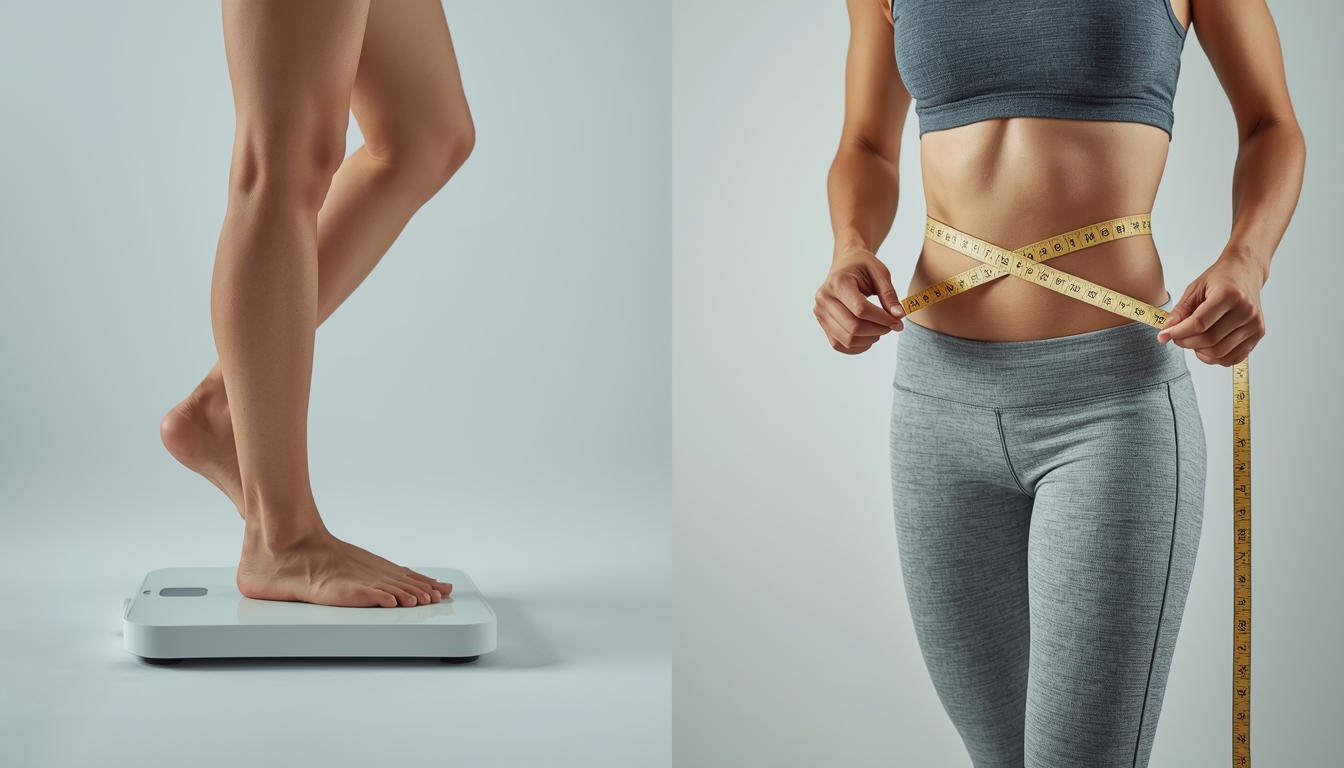
Waist-to-Height Ratio: The Simple Number That Tells You More Than BMI
Forget complicated health metrics. Your waist-to-height ratio takes two seconds to measure and might predict your health risks better than BMI. Here's how to do it.
Read article →
Healthy Sleep Habits: How to Fall Asleep Faster, Stay Asleep Longer, and Wake Up Refreshed
Struggling to fall asleep or wake up tired? Here's exactly how to fix your sleep schedule, create the perfect bedtime routine, and finally get the rest your body needs.
Read article →
How Much Can You REALLY Lift? Here's How to Find Out Without Crashing
Everyone at the gym wonders how much they could bench if they went all out. But going for a true max is risky. Here's the smarter way to find your real strength.
Read article →
You're Eating WAY More Sugar Than You Think: Here's Where It's Hiding
That 'healthy' yogurt has more sugar than a donut. Your morning coffee is basically dessert. Here's how to find the hidden sugar in everyday foods and how much is actually okay.
Read article →
Health Calculators That Could Help in an Emergency: What to Know Before You Need It
When minutes matter, having the right information about your body can make all the difference. Here's how simple health calculators can help in unexpected situations.
Read article →
First Trimester Survival Guide: What No One Tells You About Weeks 1-12
From the exhaustion that hits like a truck to the weird food aversions nobody warned you about. Here's what actually happens in the first trimester and how to survive it.
Read article →
What Is Leucovorin? Why Everyone's Talking About This Drug and Autism
Leucovorin is all over social media right now. Parents are sharing stories, and the FDA just made a major announcement. Here's what you need to know about this medication and its connection to autism.
Read article →
Understanding Autism Spectrum Disorder: Signs, Support, and What Every Parent Should Know
Worried about your child's development? Here's what autism spectrum disorder really means, early signs to watch for, how diagnosis works, and where to find support.
Read article →
How to Reduce Stress: Simple Ways to Calm Your Mind and Protect Your Health
Feeling overwhelmed, anxious, or just burned out? Here's why stress is so hard on your body, how it affects your heart and brain, and what actually works to calm down in real life.
Read article →
What to Eat After Cancer: A Survivor's Guide to Food, Healing, and Moving Forward
Worried about what to eat after a cancer diagnosis? Here's a practical guide to healthy foods, what to avoid, nourishing drinks, and simple habits that help survivors feel stronger every day.
Read article →
How to Increase Testosterone Naturally: Foods, Workouts, and Lifestyle Changes That Actually Work
Low energy? Struggling in the gym? Here's how to boost your testosterone naturally with simple food swaps, effective workouts, and daily habits that make a real difference.
Read article →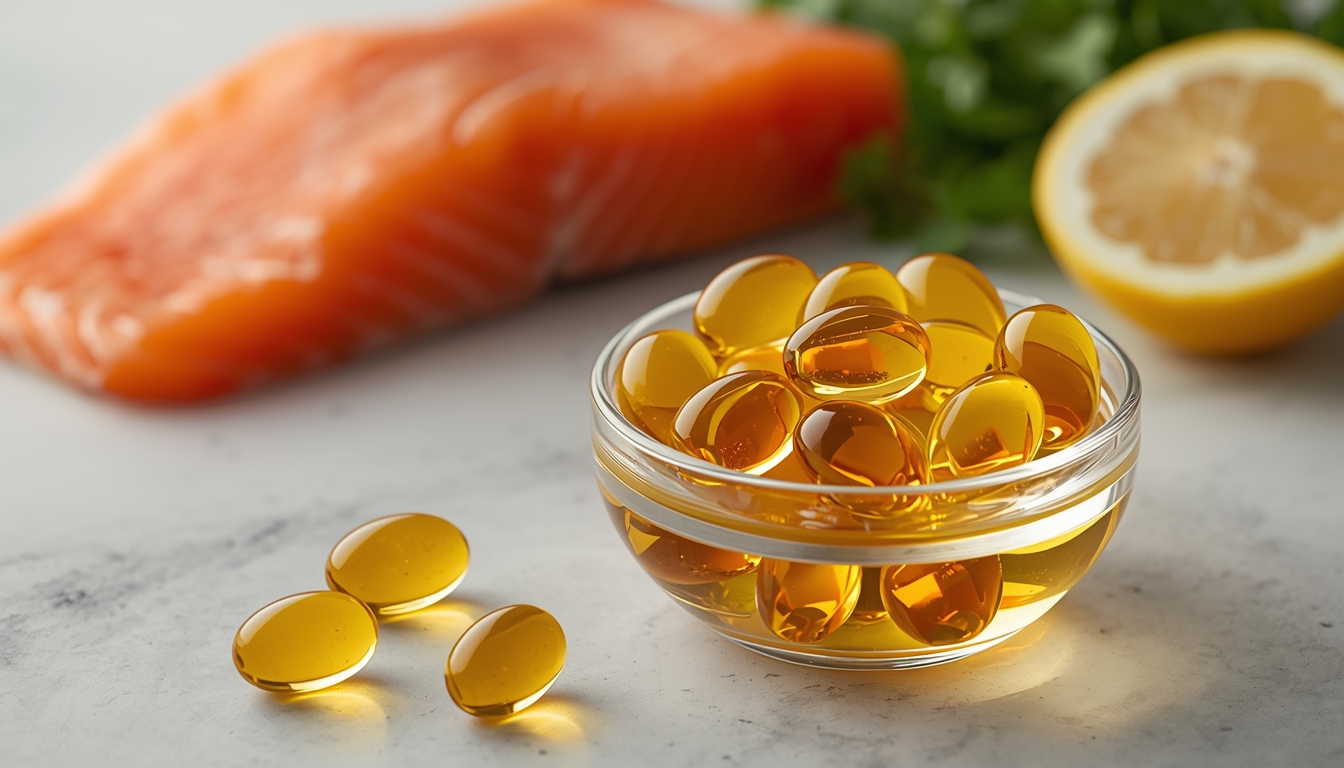
Fish Oil Benefits: What It Does for Men, Women, Your Heart, Brain, and Hormones
Wondering if fish oil is worth the hype? Here's what omega-3s actually do for your heart, brain, testosterone, cholesterol, and stress levels—plus how to choose the right one.
Read article →What Is BMI? Simple Guide to Body Mass Index
Learn what BMI means, how to calculate it, and what your BMI number says about your health.
Read article →How to Lower BMI: 7 Simple Steps That Actually Work
Trying to lower your BMI? Here's what works - no crash diets, no gimmicks. Simple steps, real examples, and tools to track your progress.
Read article →What Is BMR? Simple Guide to Your Metabolism
Learn what BMR means, why it matters for weight, and how to calculate yours.
Read article →Ideal Weight for Your Height: Simple Formulas
Find your healthy weight range based on height. Simple formulas and practical tips.
Read article →BMI vs Body Fat: Which One Actually Matters More?
BMI says one thing. Body fat says another. Here's how to know which number to trust for your health.
Read article →BMI Calculator Limitations: 10 Factors Not Considered
BMI doesn't tell the full story. Learn what factors your BMI calculator ignores and what measurements are more accurate for health assessment.
Read article →Why Water Intake Is Important: 7 Reasons Your Body Needs It
Water does more than just quench your thirst. Here's why drinking enough matters for energy, weight loss, skin, and overall health.
Read article →Superfoods for Heart Health: 10 Foods Cardiologists Actually Eat
Want a healthier heart? Here are 10 superfoods cardiologists swear by. Simple, delicious, and backed by science - plus tools to track your progress.
Read article →Weight Loss for Women at Home: 7 Things That Actually Work
Trying to lose weight at home? Here's what works for real women - no gym required. Simple steps, honest advice, and tools to track your progress.
Read article →Healthy Weight for Women in Their 30s: What Actually Works
Wondering what a healthy weight looks like for women in their 30s? Here's what changes after 30 and how to find your ideal weight range.
Read article →Healthy BMI for Women by Age: What's Normal in Your 20s, 30s, 40s, 50s and Beyond
Wondering what a healthy BMI looks like for women at different ages? Here's exactly how your ideal weight range changes from your 20s through your 70s and beyond.
Read article →Morning Routine for Weight Loss: 7 Simple Habits That Actually Work
Want to lose weight without crazy diets? Here's exactly what to do in the first hour after waking up to boost metabolism, burn fat, and feel great all day.
Read article →How to Increase Fertility Naturally: 11 Science-Backed Ways to Boost Your Chances of Getting Pregnant
Wondering how to boost your fertility naturally? From the best foods to eat for ovulation to lifestyle changes that actually work, here's what you need to know.
Read article →How Much Water Should You Drink During Pregnancy? A Complete Guide for Every Trimester
Wondering how much water you really need while pregnant? From first trimester nausea to third trimester swelling, here's exactly how to stay hydrated for you and baby.
Read article →Heart Disease Symptoms, Causes, and the New Treatments Changing Everything (Including AI)
Chest pain? Shortness of breath? Here's what your symptoms mean, plus the latest breakthroughs in heart care—from AI that predicts heart attacks to new meds and high-tech sensors.
Read article →Heart Attacks in Young People: Why It's Happening and What You Can Do About It
Young men and women in their 20s, 30s, and 40s are having heart attacks at alarming rates. Here's why lifestyle, stress, and food choices are to blame—and how to protect yourself.
Read article →Waist-to-Height Ratio: The Simple Number That Tells You More Than BMI
Forget complicated health metrics. Your waist-to-height ratio takes two seconds to measure and might predict your health risks better than BMI. Here's how to do it.
Read article →Healthy Sleep Habits: How to Fall Asleep Faster, Stay Asleep Longer, and Wake Up Refreshed
Struggling to fall asleep or wake up tired? Here's exactly how to fix your sleep schedule, create the perfect bedtime routine, and finally get the rest your body needs.
Read article →How Much Can You REALLY Lift? Here's How to Find Out Without Crashing
Everyone at the gym wonders how much they could bench if they went all out. But going for a true max is risky. Here's the smarter way to find your real strength.
Read article →You're Eating WAY More Sugar Than You Think: Here's Where It's Hiding
That 'healthy' yogurt has more sugar than a donut. Your morning coffee is basically dessert. Here's how to find the hidden sugar in everyday foods and how much is actually okay.
Read article →Health Calculators That Could Help in an Emergency: What to Know Before You Need It
When minutes matter, having the right information about your body can make all the difference. Here's how simple health calculators can help in unexpected situations.
Read article →First Trimester Survival Guide: What No One Tells You About Weeks 1-12
From the exhaustion that hits like a truck to the weird food aversions nobody warned you about. Here's what actually happens in the first trimester and how to survive it.
Read article →What Is Leucovorin? Why Everyone's Talking About This Drug and Autism
Leucovorin is all over social media right now. Parents are sharing stories, and the FDA just made a major announcement. Here's what you need to know about this medication and its connection to autism.
Read article →Understanding Autism Spectrum Disorder: Signs, Support, and What Every Parent Should Know
Worried about your child's development? Here's what autism spectrum disorder really means, early signs to watch for, how diagnosis works, and where to find support.
Read article →How to Reduce Stress: Simple Ways to Calm Your Mind and Protect Your Health
Feeling overwhelmed, anxious, or just burned out? Here's why stress is so hard on your body, how it affects your heart and brain, and what actually works to calm down in real life.
Read article →What to Eat After Cancer: A Survivor's Guide to Food, Healing, and Moving Forward
Worried about what to eat after a cancer diagnosis? Here's a practical guide to healthy foods, what to avoid, nourishing drinks, and simple habits that help survivors feel stronger every day.
Read article →How to Increase Testosterone Naturally: Foods, Workouts, and Lifestyle Changes That Actually Work
Low energy? Struggling in the gym? Here's how to boost your testosterone naturally with simple food swaps, effective workouts, and daily habits that make a real difference.
Read article →Fish Oil Benefits: What It Does for Men, Women, Your Heart, Brain, and Hormones
Wondering if fish oil is worth the hype? Here's what omega-3s actually do for your heart, brain, testosterone, cholesterol, and stress levels—plus how to choose the right one.
Read article →Explore More Health Topics
- What Is BMI? Simple Guide to Body Mass Index
- How to Lower BMI: 7 Simple Steps That Actually Work
- What Is BMR? Simple Guide to Your Metabolism
- Ideal Weight for Your Height: Simple Formulas
- BMI vs Body Fat: Which One Actually Matters More?
- BMI Calculator Limitations: 10 Factors Not Considered
- Why Water Intake Is Important: 7 Reasons Your Body Needs It
- Superfoods for Heart Health: 10 Foods Cardiologists Actually Eat
- Weight Loss for Women at Home: 7 Things That Actually Work
- Healthy Weight for Women in Their 30s: What Actually Works
Common Questions
What is a normal BMI?
A normal BMI is between 18.5 and 24.9. This is considered a healthy weight.
How do I calculate BMI manually?
BMI = weight(kg) ÷ height(m)². Convert height to meters first.
Is BMI different for women and men?
The formula is the same, but healthy ranges may vary slightly.
BMI Calculator: What Your Numbers Mean & How to Improve Your Health
What is BMI? A Simple Explanation
Body Mass Index (BMI) is a number that helps estimate if you're at a healthy weight for your height. Think of it as a quick screening tool that doctors and health professionals use to get a general idea about your weight status. It's been around since the 1800s and is still used today because it's simple, free, and gives useful information.
How BMI is Calculated
Example: 150 lbs ÷ (65 inches)² × 703 = 24.9
Example: 68 kg ÷ (1.65m)² = 24.9
Good news: Our calculator does all the math for you - just enter your numbers!
💡 Quick tip: BMI is just one piece of the health puzzle. It's a great starting point, but not the final word on your health. Think of it like your car's "check engine" light - it tells you when to look closer, but doesn't diagnose the specific problem.
BMI Categories: What Your Number Means
Once your BMI is calculated, it falls into one of these categories. The healthy range is where most people want to be, but don't worry if you're slightly above or below - it's just a starting point.
| Category | BMI Range | What This Means | Common in This Group |
|---|---|---|---|
| Severe underweight | Less than 16 | May indicate eating disorder or chronic illness | Young women, older adults with health issues |
| Moderate underweight | 16 - 16.9 | May need nutritional support | Athletes in weight-sensitive sports, some older adults |
| Mild underweight | 17 - 18.4 | Slightly below healthy range | Naturally thin individuals, models |
| Healthy weight | 18.5 - 24.9 | Ideal range for most people | About 30% of U.S. adults |
| Overweight | 25 - 29.9 | Slightly above healthy range | Very common - about 35% of U.S. adults |
| Obese Class I | 30 - 34.9 | Moderate obesity | About 20% of U.S. adults |
| Obese Class II | 35 - 39.9 | Severe obesity | About 10% of U.S. adults |
| Obese Class III | 40 or higher | Very severe (morbid) obesity | About 5% of U.S. adults |
BMI for Children and Teens (ages 2-20)
Kids aren't just small adults! Their BMI is interpreted using percentiles that compare them to other kids of the same age and gender. This is because body fat changes as children grow.
Example: A 10-year-old boy with a BMI of 22 would be:
- • In the 92nd percentile
- • Classified as "overweight"
- • At risk for obesity as an adult
Our calculator automatically handles this for you - just enter the child's age and gender.
Quick Reference: Healthy Weight Ranges by Height
Note: These are estimates. Your healthy weight may vary based on muscle mass, frame size, and other factors.
BMI and Health Risks: What Science Tells Us
Your BMI is linked to your risk for certain health conditions. Here's how different BMI categories affect your health risks:
If Your BMI is Below 18.5 (Underweight)
You may have higher risk for:
- •Weakened immune system - harder to fight off infections
- •Osteoporosis - weaker bones, higher fracture risk
- •Fertility issues - can affect menstrual cycles and sperm health
- •Anemia - low iron levels causing fatigue
- •Surgical complications - slower healing after procedures
If Your BMI is 25 or Above (Overweight/Obese)
You may have higher risk for:
- •Type 2 diabetes - risk increases significantly as BMI rises
- •High blood pressure - extra weight puts strain on your heart
- •Heart disease - leading cause of death in the U.S.
- •Sleep apnea - interrupted breathing during sleep
- •Joint problems - especially knees and hips
- •Certain cancers - including colon, breast, and kidney
How BMI Categories Compare: Key Health Risks
Research shows how health risks change across BMI categories:
Sources:
- • National Institute of Diabetes and Digestive and Kidney Diseases (NIDDK) - Weight and Type 2 Diabetes Risk
- • American Heart Association - Obesity and Cardiovascular Disease
- • Centers for Disease Control and Prevention (CDC) - Adult Obesity Facts
- • World Health Organization (WHO) - Obesity and overweight fact sheets
Note: Risk ratios are approximate and vary based on individual factors including age, genetics, lifestyle, and distribution of body fat.
When BMI Doesn't Tell the Whole Story
BMI is a useful screening tool, but it has limitations. Here are situations where BMI might not accurately reflect your health:
Athletes & Bodybuilders
Muscle weighs more than fat. Many athletes have "overweight" BMI but very low body fat.
Older Adults (65+)
A slightly higher BMI (23-27) may actually be protective against falls and illness.
Pregnant Women
BMI is based on pre-pregnancy weight. Weight gain during pregnancy is expected and healthy.
Very Tall or Short People
BMI can be less accurate at height extremes. Waist measurements may be more useful.
Different Ethnicities
Asian populations may have higher health risks at lower BMIs. Pacific Islanders may have lower risks at higher BMIs.
"Normal Weight Obesity"
Some people have healthy BMI but high body fat percentage and metabolic issues.
Better Measurements to Use Alongside BMI
Men: <40"
Women: <35"
Men: <0.90
Women: <0.85
Keep waist < half your height
Men: 10-20%
Women: 18-28%
How to Improve Your BMI: Practical, Sustainable Steps
Whether you need to gain or lose weight, small consistent changes work better than extreme diets. Here's what actually works:
To Lower Your BMI (Weight Loss)
Aim for 500-750 calories less per day. This leads to 1-2 pounds lost per week - the safe, sustainable rate.
Aim for 150-300 minutes of moderate activity weekly. That's just 30-60 minutes, 5 days a week.
Protein (20-30g per meal) and fiber (25-35g daily) keep you full and satisfied.
7-9 hours nightly. Poor sleep disrupts hunger hormones and makes weight loss harder.
To Raise Your BMI (Weight Gain)
Aim for 300-500 extra calories daily from nutrient-dense foods like nuts, avocados, and whole grains.
Lift weights 3-4 times weekly to build muscle, not just fat.
5-6 smaller meals can be easier to tolerate than 3 large ones.
Aim for 1.6-2.2 grams per kg of body weight to build quality mass.
Important: Always talk to your doctor before starting any major diet or exercise program, especially if you have existing health conditions.
BMI for Different Groups
Seniors (65+)
The "obesity paradox" applies here. A BMI of 23-27 may be healthier than 18.5-24.9 because it provides:
- • Energy reserves during illness
- • Protection against falls (more padding)
- • Better bone density
Different Ethnicities
Health risks appear at different BMIs:
- • Asian: Overweight at BMI 23+
- • White/Black: Standard thresholds
- • Pacific Islander: May tolerate higher BMIs
Pregnancy
Use pre-pregnancy BMI to determine healthy weight gain:
- • Underweight: Gain 28-40 lbs
- • Healthy: Gain 25-35 lbs
- • Overweight: Gain 15-25 lbs
- • Obese: Gain 11-20 lbs
Frequently Asked Questions About BMI
What's a "normal" BMI for my age?
For adults 20-65, the healthy range is 18.5-24.9 regardless of age. For seniors 65+, many doctors consider 23-27 to be ideal. For children, it's based on percentiles compared to kids the same age.
Why is my BMI high if I'm not overweight?
If you're muscular (like athletes, bodybuilders, or people with physically demanding jobs), your BMI may be high even though you have low body fat. Muscle weighs more than fat, so BMI alone doesn't tell the whole story.
Can I be healthy with a BMI over 30?
Yes, about 10-30% of people with obesity are "metabolically healthy" - meaning normal blood pressure, blood sugar, and cholesterol. However, this may change over time, and your risk increases the longer you carry excess weight.
What's the difference between BMI and body fat percentage?
BMI is a calculation based on height and weight. Body fat percentage actually measures how much of your weight is fat vs. muscle, bone, and organs. Body fat percentage is more accurate but harder to measure. BMI is easier and still useful for screening.
How often should I check my BMI?
For most people, checking BMI monthly is plenty. It takes time to see real changes in your weight. Daily weigh-ins can be discouraging because of normal fluctuations in water weight.
Is BMI different for men and women?
The same BMI categories are used for both men and women, even though women naturally have more body fat. This is a limitation of BMI - women might have a "healthy" BMI but higher body fat than ideal.
What's more important: BMI or waist size?
Waist size may actually be more important! Belly fat (visceral fat) is more harmful for health than fat stored elsewhere. That's why waist-to-height ratio (keep your waist less than half your height) is becoming a popular alternative.
Do I need to see a doctor about my BMI?
If your BMI is below 18.5 or above 30, it's a good idea to talk with your doctor. Also see a doctor if you have:
- Unexplained weight changes
- Other health conditions (diabetes, heart disease, etc.)
- Concerns about your weight affecting your health
- Questions about healthy weight goals
BMI Myths vs. Facts
Myth: BMI tells you if you're healthy
Fact: BMI is a screening tool, not a health diagnosis. You can have "normal" BMI with poor metabolic health, or "overweight" BMI with excellent fitness.
Fact: BMI is useful for population health
For large groups, BMI correlates well with health outcomes. That's why insurance companies and public health agencies use it.
Myth: BMI was designed for individuals
Fact: BMI was created in the 1830s to study populations, never intended as a individual health measure.
Fact: BMI is free and easy
Unlike expensive body scans, anyone can calculate BMI in seconds. That's why it's still widely used.
Try These Related Health Tools
Your BMI Assessment Starts Here
Get instant, accurate BMI calculation with personalized health insights. Free, no registration, clinically validated formulas.
Trusted by 500,000+ monthly users. Clinical-grade accuracy.
Explore All Health Calculators
From BMI to heart rate, we've got every calculator you need for your health journey.